
Your Essential Guide to Senior Fitness and Safety

As we age, staying active and maintaining our physical health becomes even more important. I have seen firsthand how consistent effort in fitness can significantly improve quality of life for seniors. It is not just about extending life but about enriching it with energy independence and joy.
Many people believe that slowing down is a natural part of getting older. However I believe that proactive steps can help maintain vitality and protect against common age-related challenges. We want to empower everyone to embrace a lifestyle that supports their wellbeing at every stage.
This guide shares practical insights on how to approach physical activity and create a secure environment so you can thrive. My aim is to offer actionable advice that fosters a sense of accomplishment and ensures safety in all endeavors.
Understanding the Benefits of Physical Activity for Seniors
Engaging in regular physical activity offers a wealth of benefits for older adults. I often tell people that movement is medicine because it can improve so many aspects of health. From stronger bones to better mood there is a lot to gain.
Regular exercise helps maintain muscle mass and bone density. These factors are critical for preventing falls and fractures. It also improves flexibility and balance which directly impacts daily mobility and confidence.
Beyond the physical, fitness plays a significant role in mental and emotional health. Studies show that active seniors often experience less stress and anxiety. They tend to have better cognitive function and a more positive outlook on life.
We see how staying active fosters social connections. Many senior fitness programs offer opportunities to meet new people. This sense of community adds another layer of wellbeing to the fitness journey.
Improving Cardiovascular Health
Heart health is a major concern for seniors. Regular aerobic exercise strengthens the heart and improves circulation. This can help lower blood pressure reduce bad cholesterol and manage blood sugar levels.
Activities like brisk walking swimming or cycling are excellent choices. They are low impact and can be adapted to various fitness levels. I always advise starting slow and gradually increasing intensity.
A healthy heart means more energy for daily tasks and hobbies. It reduces the risk of serious conditions like heart disease and stroke. These small consistent efforts create a big impact over time.
Boosting Mental Wellbeing
Exercise is a powerful tool for maintaining mental sharpness. It increases blood flow to the brain which supports cognitive function and memory. I have heard many stories of people feeling clearer and more focused after incorporating regular movement.
Physical activity also releases endorphins. These natural chemicals have mood-boosting effects. They can help combat feelings of loneliness or depression that some seniors face.
This connection between body and mind is fundamental to overall wellness. It helps older adults maintain their independence and enjoy life to the fullest. We believe that a strong body supports a strong mind.
Creating a Safe Exercise Environment at Home
Safety is paramount when exercising especially for seniors. An unsafe environment can lead to injuries and deter someone from continuing their fitness routine. I always emphasize the importance of preparing your space before you start any new activity.
First make sure your exercise area is clear of clutter. Remove any throw rugs loose cords or obstacles that could cause a trip. Good lighting is also essential so you can see clearly at all times.
If you use exercise equipment ensure it is stable and well-maintained. Check for any worn parts or loose components. It is better to prevent an accident than to deal with its consequences.
Proper Equipment and Footwear
Choosing the right equipment and footwear can make a huge difference in your safety and comfort. I recommend investing in supportive shoes with non-slip soles. This helps prevent slips and provides stability during exercises.
For home workouts consider using a sturdy chair for support during balance exercises. Resistance bands can offer a low-impact way to build strength. Light dumbbells or water bottles work well for strength training.
Always ensure any weights or equipment are within easy reach. Arrange them so you do not have to strain or bend awkwardly to pick them up. Convenience and safety go hand in hand.
Understanding Your Limits
It is crucial to listen to your body and understand your physical limits. Pushing too hard too fast is a common mistake that can lead to injury. I advise starting with gentle movements and gradually increasing the duration or intensity.
If you feel pain dizziness or unusual fatigue during exercise stop immediately. Rest is important for recovery and injury prevention. Consulting with a healthcare provider before starting a new exercise program is always a wise choice.
We advocate for a mindful approach to fitness. This means paying attention to how your body responds and adjusting as needed. Your long-term health is our priority so take it slow and steady.
Essential Types of Exercises for Older Adults
A well-rounded fitness plan for seniors includes a mix of different exercise types. This ensures that all major muscle groups are worked and various physical capabilities are enhanced. I have found that variety keeps things interesting and helps prevent plateaus.
The goal is to improve strength flexibility balance and endurance. Each type of exercise plays a specific role in maintaining functional independence. We want to help seniors enjoy their daily lives with ease and confidence.
Strength Training for Stronger Muscles and Bones
Strength training is vital for maintaining muscle mass which naturally declines with age. This type of exercise involves working your muscles against resistance. It helps improve bone density and prevents osteoporosis.
You do not need heavy weights to see results. Bodyweight exercises like chair squats or wall push-ups are effective. Resistance bands also offer a safe and versatile option for building strength. I suggest starting with 2-3 sessions per week targeting major muscle groups.
Stronger muscles make everyday tasks easier such as lifting groceries or standing up from a chair. It contributes significantly to overall functional ability and reduces the risk of injury from everyday activities.
Balance Exercises to Prevent Falls
Falls are a leading cause of injury for older adults. Improving balance is one of the most effective ways to reduce this risk. I incorporate balance exercises into almost every senior fitness plan I create.
Simple exercises like standing on one leg or heel-to-toe walking can make a big difference. Tai Chi is another excellent option because it combines gentle movements with deep breathing. Always have a wall or sturdy object nearby for support when practicing balance moves.
Consistent practice helps train your body to react better when stability is challenged. This builds confidence in movement and helps you stay steady on your feet.
Flexibility and Mobility for Ease of Movement
Maintaining flexibility helps keep your joints healthy and your movements fluid. Stretching can improve your range of motion and reduce stiffness. This is important for tasks like reaching overhead or bending down.
Gentle stretches for major muscle groups should be part of your routine. Hold each stretch for 20-30 seconds feeling a gentle pull not pain. Yoga and Pilates are also fantastic for improving flexibility and core strength.
I find that regular stretching also promotes relaxation and reduces muscle soreness. It contributes to a feeling of overall comfort and ease in daily living.
Nutrition and Hydration for Active Seniors
Exercise is only one part of the equation when it comes to senior health. Proper nutrition and adequate hydration are equally important for supporting an active lifestyle. I often see people overlook these crucial elements.
Eating a balanced diet provides the energy and nutrients your body needs to perform and recover. Staying well-hydrated helps regulate body temperature and keeps your joints lubricated. These habits work together with physical activity to maximize your wellbeing.
Eating a Balanced Diet
A balanced diet for seniors should include plenty of fruits vegetables whole grains lean proteins and healthy fats. I encourage colorful plates to ensure a wide range of vitamins and minerals. Protein intake is especially important for muscle repair and growth.
Try to limit processed foods sugary drinks and excessive saturated fats. These can contribute to inflammation and other health problems. Small dietary changes can lead to significant improvements in energy levels and overall health.
We understand that dietary needs can change with age. Consulting a nutritionist or a healthcare professional can help you tailor your diet to your specific requirements. They can guide you in making the best food choices.
Staying Adequately Hydrated
Dehydration is a common issue for seniors. Our sense of thirst can diminish with age so it is important to be proactive about drinking water. I recommend carrying a water bottle throughout the day as a reminder.
Water is essential for nearly every bodily function. It helps transport nutrients regulate body temperature and maintain healthy skin. Aim for at least 8 glasses of water a day or more if you are exercising frequently.
Herbal teas diluted juices and water-rich fruits and vegetables can also contribute to your fluid intake. Avoiding sugary sodas and excessive caffeine is a good idea. Proper hydration supports your energy levels and helps your body function optimally.
Recognizing and Preventing Common Safety Risks
Beyond the exercise environment many aspects of daily life present safety risks for seniors. Being aware of these common hazards and taking steps to prevent them is critical. I always advise a thorough review of your living space.
Simple modifications around the house can dramatically reduce the risk of accidents. We aim to help you create a secure and supportive environment. This ensures peace of mind for you and your loved ones.
Home Safety Modifications
Look for potential fall hazards throughout your home. Secure loose rugs with non-slip backing or remove them entirely. Install grab bars in bathrooms near the toilet and in the shower. I also recommend good lighting in hallways and stairwells.
Ensure that frequently used items are easily accessible without needing to stretch or bend excessively. Using a sturdy step stool with a handrail can be helpful for reaching high shelves. Consider improving your senior fitness and safety by addressing these practical changes within your home.
These modifications are not about limiting independence. They are about enhancing safety and allowing you to move freely and confidently in your own home. A safe home is a happy home.
Personal Safety Practices
Beyond home modifications personal practices also play a vital role in safety. I suggest wearing appropriate footwear both indoors and outdoors. Shoes with good support and non-slip soles can prevent many accidental slips.
Regular vision and hearing checks are important because declining senses can increase accident risks. Always use caution when walking on uneven surfaces or in unfamiliar environments. Carrying a mobile phone or personal alarm can provide an extra layer of security when you are out alone.
Stay informed about current weather conditions and avoid going out in icy or extremely wet conditions. When lifting objects bend at your knees not your waist to protect your back. These practices contribute to overall safety and wellbeing.
Integrating Fitness into Daily Life
Making fitness a natural part of your daily routine is the key to long-term success. It does not have to involve intense gym sessions or complicated workouts. I believe that small consistent efforts are far more effective than sporadic bursts of activity.
Think about ways to incorporate movement into your everyday activities. This approach makes exercise feel less like a chore and more like a natural extension of your life. We want fitness to be enjoyable and sustainable.
Simple Activities That Count
Walking is one of the easiest and most accessible forms of exercise. Taking a brisk walk around your neighborhood or in a local park provides excellent cardiovascular benefits. Gardening is another wonderful way to stay active combining physical effort with mental relaxation.
Doing household chores like vacuuming or dusting can also count towards your daily activity goals. Consider taking the stairs instead of the elevator or parking a little further from the store entrance. Every bit of movement adds up over time.
Dancing to your favorite music at home is a fun way to get your heart rate up and improve flexibility. These activities are not just exercise. They are also enjoyable parts of a fulfilling life.
Setting Realistic Goals and Staying Motivated
Setting achievable goals is crucial for maintaining motivation. I suggest starting with small realistic targets such as walking for 15 minutes three times a week. As you get stronger you can gradually increase the duration or intensity.
Find activities that you genuinely enjoy because this makes sticking to your routine much easier. Working out with a friend or joining a senior fitness class can also provide motivation and accountability. Celebrating small victories along the way helps reinforce positive habits.
Remember that consistency is more important than intensity. Even short bursts of activity throughout the day can make a significant difference. We encourage you to be patient with yourself and celebrate your progress.
Embracing a Healthier and Safer Future
Embracing an active and safe lifestyle in your senior years is truly a gift you give yourself. I have always believed that health is our greatest wealth and it is never too late to invest in it. By focusing on regular physical activity balanced nutrition and smart safety practices you are setting yourself up for a future filled with independence vitality and joy. These steps are not just about adding years to your life. They are about adding life to your years. We are here to support you on this path encouraging every small victory and helping you overcome any challenges. Remember that every movement counts every healthy meal matters and every safety precaution makes a difference. Take these insights and apply them to your daily life. Enjoy the newfound energy the improved strength and the peace of mind that comes with knowing you are actively making your health count.
 Planning Residential Renovation Tasks
 Keep Your Pet Safe
 Home Exercise Bike Buying Tips
 Physical Therapy Assistant Requirements
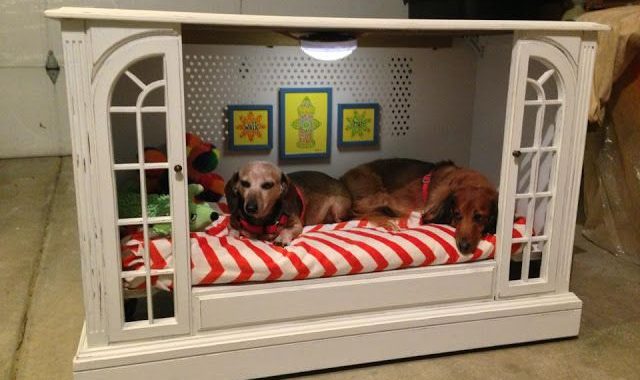 Choose the Perfect Dog Bed
 Shopping For Quality Mattresses
 Your Essential Guide to Senior Fitness and Safety
 PBN Service Provider for Conversions and Sales